When adults chat themselves out of dance, the story is usually the very same. I'm also old. I missed my home window. My knees are not what they used to be. I'll look ridiculous. After twenty years coaching grown-up novices and functioning professional dancers, I have actually learned those lines are a smokescreen for something deeper. Adults don't do not have rhythm or capacity. They do not have approval. When you offer on your own permission to find out, dance training quits being a dream and begins coming to be a reputable technique that changes your body, steadies your mind, and reconstructs self-confidence from the ground up.
The genuine obstacles aren't physical
I have actually shown people that had not worked out in ten years and individuals that ran marathons. Both teams battled with the very same thing throughout their initial session: allowing themselves exist. Adults carry a complete backpack of judgments right into the workshop. You compare your aware of the trainer's, your foot speed to the young adult from down the block, your equilibrium to a professional dancer on Instagram. That contrast kills more development in week one than limited hamstrings ever before will.
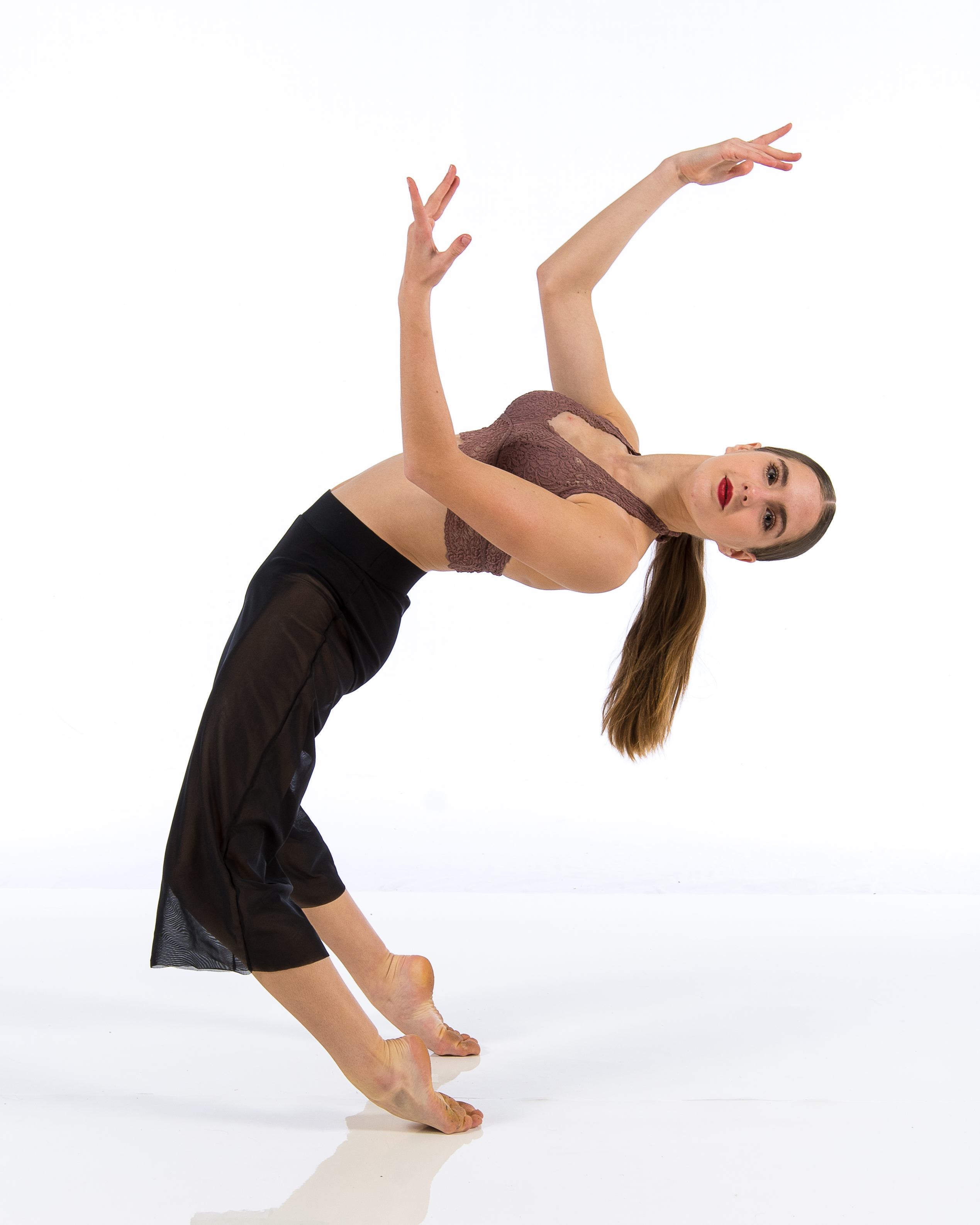
Physical constraints matter, yet they are solvable with wise Dance Training, and adults usually adapt quicker precisely because they listen. You inform a 35-year-old to unlock the standing knee and pile ribs over hips, and they process it. You recommend they breathe out into a turn and they really feel the adjustment promptly. The grown-up benefit is attention. Utilize it and your body will respond.
What changes in your body, precisely
Let's pass obscure pledges and talk mechanisms. Dance is organized activity under rhythmic restriction. That distinct pairing promotes coordination, stamina, and flexibility while keeping your attention involved enough to repeat. Rep is where the adjustment lives.
- Strength and power: Even "light" designs like novice contemporary or salsa tax obligation your glutes, calf bones, and deep core. Tiny jumps and repeated directional changes develop type II muscle mass fibers without the work of hefty barbells. In 6 to eight weeks of constant training, many adults observe firmer legs and a steadier midline, determined not by a mirror however by the ability to hold a balance after a turn they made use of to stumble. Mobility with control: Dancers do not extend to flop right into a split for Instagram. They chase after array they can use. A lunge with a spiral, a slow développée to 45 degrees, a put on hold reach in a tendu, all construct movement controlled by muscle action. That kind of adaptability is resilient. It secures joints under lots and reduces the "fine-tune" occurrences that haunt weekend break warriors. Balance and reflexes: Proprioception improves when your feet speak with the flooring. Turnover or parallel, tennis shoe or bare foot, you'll learn to really feel weight, not presume it. After a month, stairways feel easier and you stop getting the hand rails reflexively. I've seen brand-new moms and dads reclaim their ability to hold a toddler on one hip without their lower back grumbling, just due to the fact that fall-prevention reflexes sharpened. Cardio without fear: A two-minute across-the-floor combo with three instructions adjustments and a half-dozen transforms spikes heart price, after that lets it recover. It's interval training dressed in songs. The majority of adults can add 10 to 15 beats per minute to their lasting dance speed within a period while reporting much less regarded physical effort, since rhythm sidetracks and breath patterns align with phrasing.
If you desire numbers, utilize what you can gauge. Track resting heart price very first point in the early morning for 8 weeks. Note your single-leg equilibrium time, eyes open, on both sides. Measure ankle joint dorsiflexion with a knee-to-wall test. Development will turn up in cool numbers long before your pals notice your posture.
The quiet job your mind does while your body moves
Dancing tax obligations functioning memory and pattern recognition. You're mapping counts to movement and movement to room. That's not subordinate. It's cognitive training with sweat. Grownups that dance discover to swap self-criticism for debugging. Did you miss the turn? You examine your area, the press from the floor, the breath on the prep. You adjust one variable and try once more. That psychological version migrates to your day job.
Mood shifts, as well. The mix of songs, community, and duplicated ability procurement tears down stress and anxiety hormonal agents. I've had lawyers show up breakable from a 12-hour day and leave softer, not due to the fact that the world transformed, but because for 75 minutes they were permitted to be embodied. There is alleviation in failing safely on matter five and trying once more on matter one.
Confidence is not a poster on the wall. It is hundreds of micro-proofs that you can do what you said you would do. Dance offers you that cadence. You guarantee on your own 2 courses a week. You appear. You learn a step that made you panic last month. You grin at your own progress. That stacks.
But what concerning the knees, the back, the fear
I hear these problems weekly, and the solutions are sensible, not motivational.
Knees: Most knee discomfort in new dancers is not structural. It's a torque issue. Yield needs to come from the hip, not the knee. Soft knees, weight over the middle of the foot, and gradual tons dosing solution 80 percent of "my knees hate me" instances. If you have detected issues like lens rips or arthritis, you can still dance with adjustments. Limit deep pliés. Use smaller sized ranges, more speed. Choose shoes with a rotating sole for hip hop or salsa to prevent grinding the knee.
Lower back: Pain commonly indicates a pelvis that's tilted onward, ribs flared, or a habit of cranking turns from the back instead of the floor. Train your exhale. If you can count four actions on a lengthy exhale without lifting your ribs, your spine will thanks. Reinforce hip flexors at mid-range and glutes through clean joints, not simply clamshells. The majority of grownups are surprised just how quickly back stress eases when their breath and pelvis obtain reacquainted.
Fear of looking silly: Everybody is too active fixing their own body to judge your own. Walk right into a novice class and you'll see people losing the combination, giggling, and trying once more. If a workshop ambiance feels performative, leave. The ideal area for grown-up beginners is skill-focused and coachable, not a showcase for the teacher.
Picking the best design for your goals and personality
You can change with any type of design, however each one trains your body in different ways and suits various temperaments.
Ballet: Precision, placement, perseverance. Don't buy the misconception that ballet is only for youngsters. Barre work grooves stance and https://dotyperformance.substack.com/p/dance-training-for-adults ankle stamina. Facility job educates spatial self-control. You will not leap high in month one, and that's not the point. Dancing rewires fundamentals that leakage right into every little thing else you do.
Contemporary: Big movement with grounded shifts. If you like the idea of rolling to the flooring and back up without drama, this is home. It educates fluid power and instructs you to ride momentum, an ability that makes life really feel smoother.
Hip hop and street designs: Rhythm, groove, and quick maneuvering. These classes instruct you to rest right into the beat and to possess area. Anticipate cognitive load from detailed patterns. If you're quickly tired, the variety below hooks you.
Salsa, bachata, and social designs: Partnering abilities and social self-confidence. Footwork drills silently upgrade your calves and arcs. Lead and follow dynamics educate you to communicate with touch and timing, not require. You'll satisfy people. You'll additionally find out to relax your top body, a gift for desk-bound adults.
Tap: Musicality with ankle joint strength. It looks quaint up until your calves burn and your mind hums at 120 beats per minute. If you like the idea of playing percussion with your feet, faucet sharpens timing like nothing else.
If you can not dedicate to one, cross-train. I've watched a hesitant grown-up take one ballet course per week for posture and one salsa evening for pleasure, and their progression in both fed each other.
How to start without burning out or blowing up your schedule
Most adults push too hard in week one, modify something, after that ghost. Beginning smaller sized than you think.
- Choose two sessions weekly for 6 weeks. That may be one Dance Training course plus one at-home 20-minute principles session. Consistency defeats intensity. Allocate 10 minutes pre-class to warm joints you prepare to utilize. Ankle joints, hips, and thoracic spinal column react best to reduce, energetic varieties. Save the long stretches for afterward. Keep a straightforward log. Day, course kind, one thing that boosted, one thing to service. That keeps you honest and curious. Cap "new action" fascination. Invest no more than 15 minutes outside course exploration a solitary motion pattern. Quit while it still feels playful. Schedule one healing technique you appreciate. A stroll with hills, a brief mobility series, or a bath with a publication. If you only grind, you will quit.
The initially 6 weeks: what to anticipate and how to browse plateaus
Week 1 to 2: Bewilder and awkwardness. Your brain is busy mapping. You'll leave class sweaty and overwhelmed, after that arbitrarily toenail the combination in your cooking area two days later on. That's loan consolidation. Let it happen.
Week 3 to 4: The uniqueness wears away. You may seem like development stalls. This is your first plateau, not an indicator you do not have talent. Ask your instructor one targeted concern per class. For example, "My inside turn dies after one change. Should I change my preparation or my spot?" Specificity gets you a cue you can apply instantly.
Week 5 to 6: Ability outruns coordination. Your legs and lungs feel much better, yet your timing lags when the music speeds up. Change your interest to listening. Slap or tip the counts before you relocate. I ask newbies to talk via counts out loud. It really feels silly, and it works.
As for plateaus, do not infatuate on intensity. Change the variable that's lagging. If your precision falls apart when you push rate, slow down and add quality. If you never sweat, increase your array or amplitude. If you always toenail class combos yet freeze in social setups, practice short improvisations at home to build decision speed.
Form, not style: technique that safeguards and elevates
There are a handful of technical checkpoints that separate enjoyable, lasting Dance Training from injury roulette.
Foot pressure and tripod ground contact: Your foot has three stress factors, heel, large toe pile, and little toe pile. Keep them in play, also while turning. If stress collapses to the within or outdoors, your knees pay the price.
Neutral-ish pelvis with breath-led supporting: Neutral is a variety, not a locked position. Allow your exhale slim your midsection and settle your ribs. Bracing that begins with breath stands up under motion. Supporting that starts with a squeeze fizzles as soon as the phrase obtains long.
Spotting and head self-control for turns: Your eyes lead. If you're lightheaded, you're late or you're relocating the head as decoration, not as a tool. Exercise sluggish quarter turns and reset the eyes like a metronome. Rise speed just when the eyes struck the target cleanly.
Use of plié: Even if you never ever take ballet, plié is the shock absorber that turns awkward right into controlled. Superficial plié prior to instructions modifications saves your joints and assists you rest right into rhythm. Deep plié is not much better. Tidy timing is.
Ribcage over hips over foot: Stacking is the simplest solution for balance. If you really feel off, run a quick check. Are your ribs flaring? Is your pelvis poured ahead or put under? Are you on your toes without intent? Stack and the wobble drops.
A quick tale from the floor
A client called Erin, 44, software lead, was available in after a decade of informing herself dancing was for an additional life. Her initial goal was small. Two courses a week, novice hip hop and novice contemporary. The initial month was untidy. She said sorry after every combination. We prohibited the word sorry for 6 weeks. She found out to ask much better questions. Not "Why am I negative at this?" but "Where should my weight be before the slide?"
By month three, she can groove on the beat and capture the fundamental accents. Her relaxing heart rate went down from 72 to 64. The actual change took place at a social. She danced with 3 complete strangers, laughed at 2 misfires, and maintained going. At work, she began presenting without gripping the lectern. She credits dance keeping that adjustment, not as a result of magic, but due to the fact that she exercised stopping working openly and recuperating with a smile. That is self-confidence repotted in a brand-new container.
Training like a grownup: respect cycles and seasons
Your ability will certainly recede with job deadlines, travel, and life. A pro dancer cycles training deliberately. Grownups can obtain the exact same reasoning on a smaller sized scale.
Build weeks: A couple of courses, one at-home session, optional cross-training. Somewhat higher quantity and complexity. You'll really feel pleasantly invested, not wrecked.
Deload weeks: Decrease quantity by a 3rd. Maintain intensity simply put attacks. Use the moment to settle abilities, testimonial basics, and let tissues catch up. If you never deload, your nervous system eventually takes a holiday for you, usually throughout a combo.
Skill seasons: Pick a three-month emphasis. Possibly it's turns, perhaps it's footwork quality, maybe it's musicality. After that hold yourself to that focus. Variety is enjoyable, but progress likes specificity.
If your life tosses a problem week at you, do not vanish. Do a 15-minute home session. See a choreography and walk through it slowly. Maintain the thread. Adults that lose the thread spend twice the power re-entering.
Building your home: very little equipment, maximum payoff
You do not need an at-home workshop to train. Clear a six-by-six foot space. A mirror helps, however a phone camera on a shelf functions just as well. For flooring, timber or laminate is best. Prevent thick carpets that journey your feet. A pair of helpful dance sneakers or socks with silicone grips covers most designs. Maintain a little toolkit close by: a lacrosse sphere for foot release, a light resistance band for hip job, and a yoga exercise floor covering for flooring sequences.
Use songs deliberately. For drills, slower tracks allow you layer method. For endurance, select tracks that climb up slightly in pace. Develop two playlists, technique and play. The first is where you work information. The 2nd is where you move without micromanaging.
Coaching rules and how to obtain one of the most from a class
Arrive early sufficient to heat up and really feel the room. Introduce yourself to the instructor and share any type of limitations. Great teachers adjust, however they require data. Stand where you can see multiple angles, not simply the teacher's mirror image. If a sign doesn't land, ask for a different word. Some bodies reply to allegories, others to mathematics. I'll tell one dancer to picture pins under the heels and an additional to keep 60 percent of weight midfoot. Both cues do the very same task for various brains.
Film yourself when permitted. The camera is brutally fair. You'll see specifically where your weight lags and where your focus decreases. See when as a good friend, not a doubter. Then select one solution and run it again.
Nutrition and recuperation without obsession
You don't require a professional dancer's diet regimen to dance. You need gas that supports initiative and healing. A tiny carb and protein treat 60 to 90 minutes before course works for the majority of grownups: yogurt and fruit, toast with peanut butter, a banana and a healthy protein shake. After class, eat a dish within two hours. Hydrate more than you believe. Studios are dehumidified and sweat sneaks up on you. If aches or migraines struck, include a pinch of salt or an electrolyte tab.
Sleep is your multiplier. Grownups that educate on five hours delay, not due to the fact that they lack willpower, yet because memory loan consolidation and tissue fixing require time. Go for a rhythmic routine also if the total is incomplete. If you can not extend rest, include a 20-minute wind-down that signifies your nervous system to downshift. Boosts the wall, a few sluggish breaths, no displays. Monotonous wins.
When the objective is not the stage, however a richer life
You do not owe anybody a performance. Plenty of grownups train for the personal happiness of proficiency and connection. Dance feeds components of you that a treadmill never ever touches. It educates you to lead and to follow, to hold your own axis and share room, to listen with your skin. Those skills make families calmer and teams sharper.
If you want outside markers, there are choices: a workshop display, a social dancing night, a friendly fight, a community playhouse audition. However the truest pen is the day you notice that a tune you utilized to hear now moves with you like an existing. You locate your posture on the train without effort. You capture your youngster's sway in the kitchen area and sway with them. You recognize you are not watching your life from the stands. You are on the floor.
Choosing a studio and a teacher you can trust
Look for spaces where corrections have to do with technicians, not character. View a class prior to you join. Do trainees smile and fall short ahead, or do they diminish? Inquire about degree positioning. A significant workshop shields you from dullness and from being thrown right into water you can't breathe in.
Pay attention to pacing. Good newbie courses do not drag, but they leave air for concerns. The teacher demonstrates from numerous angles and names where the weight goes. They drill essentials without apology. If the course is an efficiency with the instructor as the celebrity, it's not training.
Finally, examine logistics that make your new behavior realistic: class times that fit your calendar, commute you can deal with, costs you can maintain. If it's a logistical nightmare, you will stop. Maintain the barrier low and your energy will grow.
Turning "someday" into a day on the calendar
Pick a style that appears fun, not ideal. Get the pass. Block your schedule for the next 4 weeks. Inform one friend, except liability movie theater, yet to safeguard the time. Program up. When you feel awkward, smile and maintain relocating. When your knees murmur, readjust your angles. When your mind screams you're late to the party, keep in mind that the only individuals ahead of you are the ones who began last month.
Dance Training isn't a wonder treatment. It's a reliable craft. It respects initiative and rewards attention. Beginning today and in a few months your body will stack cleaner, your breath will ride the music, and your self-confidence will quit asking authorization. That makeover is not booked for prodigies or young people. It belongs to any individual happy to declare it.
Business Name: Doty Performance Website: https://www.dotyperformance.com/ Phone: +1 (503) 822-5276 Address: 20345 SW Pacific Hwy #306, Sherwood, OR 97140, United States About Doty Performance: Doty Performance is a dance studio in Sherwood, Oregon that offers a variety of dance programs for all ages and levels of dancers. We have classes for Ballet, Tap, Jazz, and Hip-Hop. So if you are looking for a dance studio near me that welcomes all skill levels, ages, and genders, look no further than Doty Performance dance studio.